History Mandala: The Perfect Script Font for Authentic Branding
Running a small business means wearing many hats, from the CEO to the creative director. One of the most critical decisions you make daily is how your brand looks and feels. In a crowded market where customers scroll past thousands of images every minute, your visual identity needs to stop them in their tracks. This is where the right script font becomes more than just decoration; it becomes a strategic asset that builds trust and recognition.
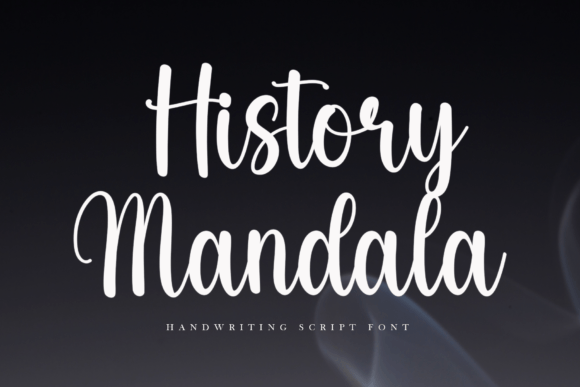
I recently discovered History Mandala, a sweet and beautiful handwritten font that has completely transformed how I approach my design projects. Unlike rigid, mechanical typefaces, this Script Amp style character features letters that dance along the baseline. That subtle movement adds a luxury spark to any design project, making your brand feel human, curated, and expensive without trying too hard.
Why Your Business Needs a Handwritten Touch
In the world of modern typography, there is often a debate between clean sans serif fonts and decorative display fonts. While minimalism works well for tech startups or corporate firms, many businesses thrive on connection. Whether you sell handmade candles, run a boutique café, or offer coaching services, your customers want to feel like they are interacting with a person, not a faceless corporation.
History Mandala bridges that gap perfectly. As a premium font designed with a distinct personality, it conveys warmth and elegance simultaneously. When used correctly, it signals that you care about details. It suggests that your product was crafted with love or that your service is personalized. For entrepreneurs looking to elevate their brand identity, swapping out generic text for a creative font like this can be the difference between looking like a hobbyist and looking like an established authority.
Real-World Applications for Every Touchpoint
The versatility of History Mandala makes it incredibly practical for small business owners who need to maintain consistency across multiple channels. Here is how I have integrated it into my daily operations:
- Logo Design: A logo is the face of your business. Using History Mandala as the primary element in a logo gives it an immediate sense of heritage and style. It works beautifully for names that sound personal, such as "The Sweet Mandala Bakery" or "Mandala Beauty Co."
- Packaging and Product Labels: Nothing speaks to quality like good typography on a package. Imagine a sticker on a jar of homemade jam or a tag on a piece of clothing featuring this font. The way the characters dance along the baseline creates a dynamic look that stands out against plain backgrounds.
- Social Media Graphics: On platforms like Instagram and Pinterest, visuals compete for attention. Using History Mandala for headlines on your posts or story overlays draws the eye immediately. It breaks up the monotony of standard block text and encourages users to pause and read your message.
- Digital and Print Marketing: From flyers to website banners, this display font sets the mood. If you are launching a new product line, using this typeface in your email headers or digital ads creates a cohesive narrative that feels luxurious and inviting.
- Customer-Facing Materials: Thank-you cards, menus, and invoices are often overlooked. Adding a touch of History Mandala to these documents elevates the entire customer experience. It turns a simple receipt into a keepsake and a menu into a piece of art.
Building Consistency and Trust Through Typography
Consistency is the backbone of a recognizable brand. When your audience sees your logo, your packaging, and your social media posts all sharing the same visual language, they subconsciously categorize you as trustworthy. History Mandala provides a strong anchor for this consistency. Because it is a handwritten font, it brings a unique flair that is difficult to replicate with stock photos or generic templates.
However, readability remains paramount. While the artistic nature of History Mandala is its strength, it is essential to use it wisely. It shines best when used as a headline, logo, or accent font rather than for long blocks of text. For body copy on your website or detailed instructions on packaging, pairing it with a clean sans serif font or a highly readable serif font ensures your message is clear while maintaining the aesthetic appeal.
For example, if you own a coffee shop, you might use History Mandala for the large title on your menu board ("Morning Brew") but pair it with a simple sans serif for the descriptions and prices. This combination ensures that customers can quickly scan the information while still enjoying the elegant vibe of your branding.
Testing Before You Commit
Before rolling out a new typeface across your entire brand, I always recommend testing it in real-world scenarios. Fonts often look different on a screen compared to how they appear in print or on mobile devices. Download a few variations and create mockups for your specific needs. Try placing History Mandala on a dark background, a light background, and within a complex layout.
Check how it performs at different sizes. Does it remain legible on a tiny product label? Does it hold up on a mobile phone screen where space is limited? By stress-testing the font early, you avoid costly reprints and ensure that your commercial font choice supports your business goals effectively.
Pairing Strategies for a Polished Look
A common mistake entrepreneurs make is overusing decorative elements. To get the most out of History Mandala, you must balance it with simpler typefaces. Think of it as dressing up: the script font is your statement jewelry, and the supporting font is your classic outfit.
Here are two effective pairing strategies:
- The Modern Contrast: Pair the flowing lines of History Mandala with a geometric sans serif. This combination is perfect for beauty brands, fashion boutiques, and lifestyle influencers. The contrast between the organic script and the structured sans serif creates a look that is both trendy and professional.
- The Classic Elegance: Combine the handwritten style with a traditional serif font. This pairing evokes a sense of history and reliability, making it ideal for wedding planners, bookstores, or artisanal food producers. It reinforces the idea of craftsmanship and timelessness.
Licensing and Commercial Use
As a business owner, protecting your intellectual property and respecting others' work is non-negotiable. Before integrating History Mandala into your branding assets, always check the commercial font licensing agreement. Ensure that the license covers your intended uses, whether that includes selling products with your logo, creating client work, or distributing digital downloads.
Using a properly licensed font protects your business from legal issues and shows professionalism. Once you have secured the rights, you can confidently apply this beautiful typeface to everything from your website visuals to your physical product labels. By choosing a font like History Mandala, you are investing in a visual identity that resonates with your audience and sets your small business apart.